
Los Angeles Contractor Market Report 2026
Introduction
Living in Los Angeles means dealing with high construction costs, strict rules, and a big demand for skilled workers. This guide explains what homeowners and homeowners’ associations (HOAs) should know when hiring contractors in 2026. It covers roof replacement, rain gutters, drought‑tolerant landscaping, plumbing, electrical work, and restoration after water or fire damage. Each section breaks down typical prices and offers tips on staying safe from scams.
Big Picture Los Angeles Home Improvement Trends
Home Pricing
The price of building and remodeling in California keeps climbing. The state uses the California Construction Cost Index (CCCI), which is based on the Engineering News‑Record (ENR) Building Cost Index for Los Angeles and San Francisco. This index measures the cost of materials and labor. By May 2026, the CCCI reached 10,188 points, up from 10,135 in April, showing a steady rise over the past year. Homeowners pay 15–25 % more than the national average because of high wages, complex permits, and strict codes.
Labor shortages and wage trends
The construction industry is short on workers. Many tradespeople are retiring, and there aren’t enough new apprentices to replace them. Skilled trade wages are high: plumbers and electricians in Los Angeles often earn over $50 per hour, and general laborers average around $30 per hour or more. These wages mean labor accounts for a big part of any project’s budget. Homeowners should plan for higher bids and longer wait times because of the shortage of qualified workers.
Codes, permits, and older homes
California has some of the toughest building codes in the country. In Los Angeles, Title 24 energy rules require “cool roofs” that reflect heat, and many neighborhoods sit inside very high fire hazard zones where roofs must meet Class A fire ratings. Many home improvement projects need permits, including new electrical circuits, major plumbing repairs, and connecting gutters to storm drains. Permit fees can range from about $200 to $800, and inspectors must sign off on the work. Homes built before 1960 may hide old galvanized pipes, knob‑and‑tube wiring or asbestos, which can add unexpected costs when remodeling.
Source:
https://nplinedesign.com/roofing-cost-los-angeles-2026
Metal Roofing Market Analysis
Tips for Metal Roofing Projects
- Get multiple bids: Ask at least three licensed roofing contractors for detailed quotes. Make sure each quote includes tear‑off, disposal, permits, underlayment, and flashing.
- Check credentials: In California, roofers must hold a C‑39 Roofing license. Verify the license on the state’s website and confirm the contractor carries general liability and workers’ compensation insurance.
- Limit deposits: State law limits down payments to 10 % of the contract price or $1,000, whichever is less.
- Watch out for wildfire scams: After wildfires, door‑to‑door “roofers” sometimes offer quick repairs. Avoid anyone who demands cash, lacks a written contract, or refuses to show proof of a license.
Source:
https://www.cslb.ca.gov/Resources/GuidesAndPublications/TravelerTips.pdf,
https://www.cslb.ca.gov/resources/guidesandpublications/afteradisasterguide.pdf
Metal roofs
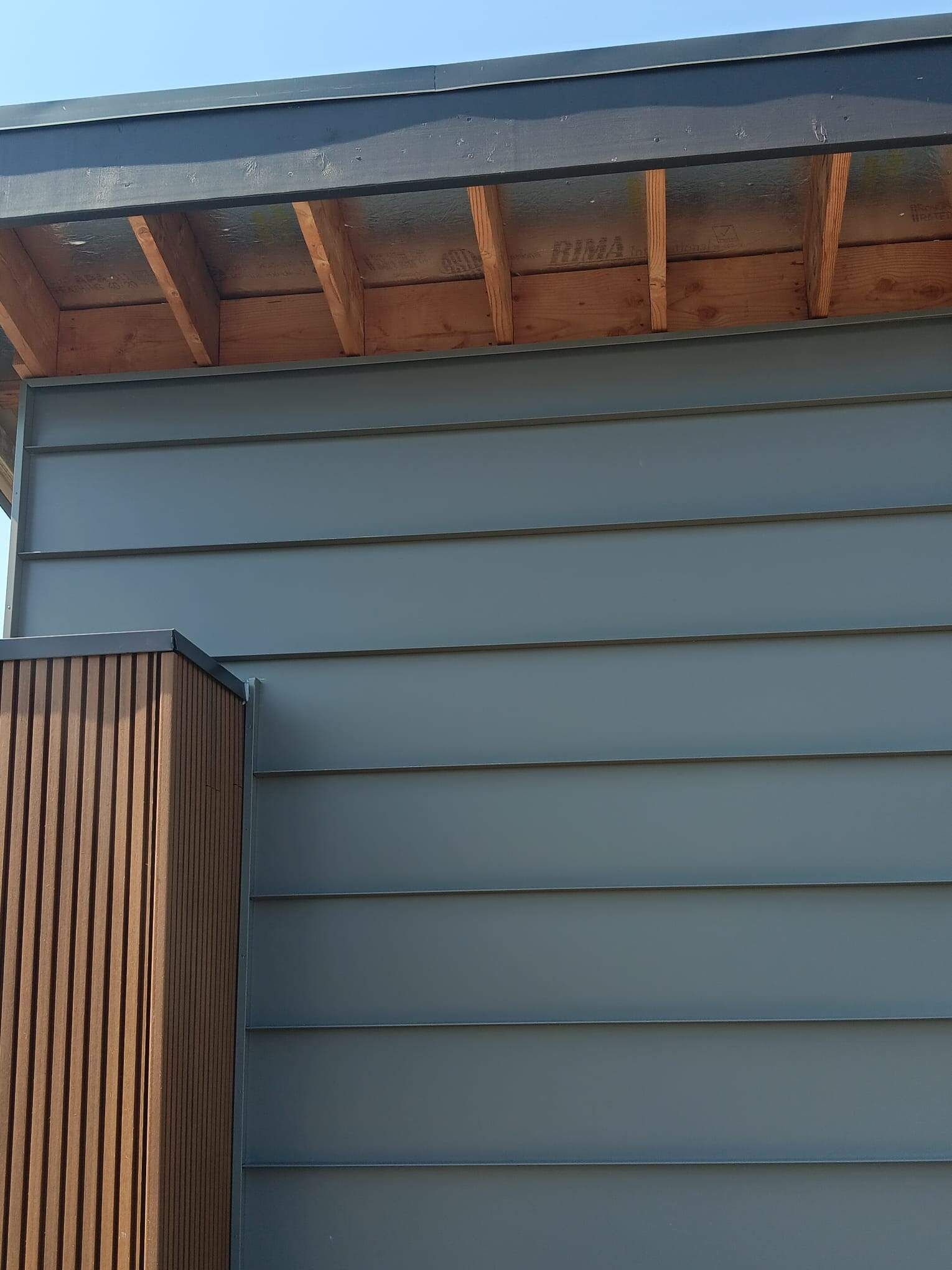
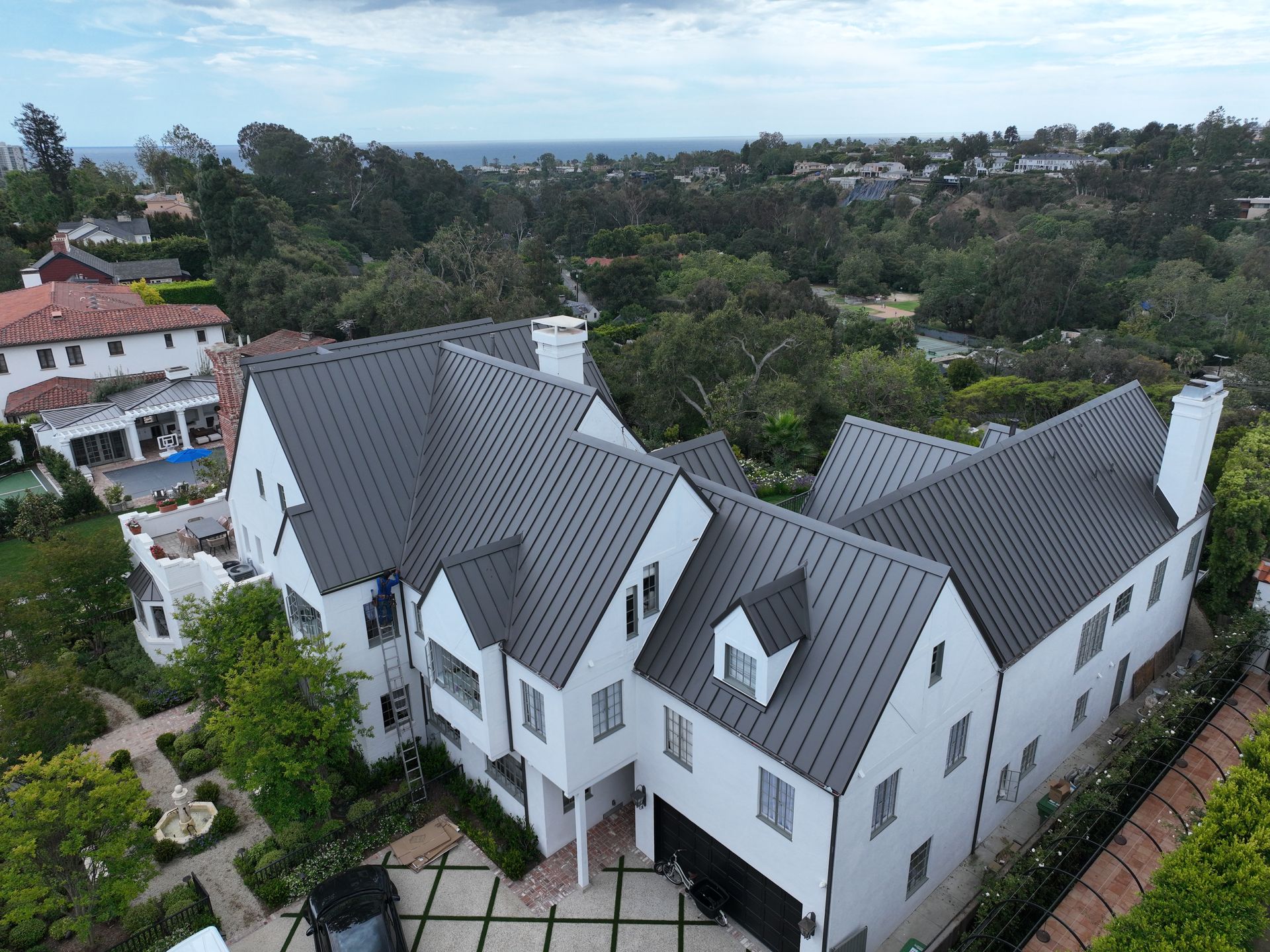
Metal roofing is popular because it lasts decades and has a Class A fire rating. Standing‑seam metal roofs in Los Angeles cost roughly $12–$20 per square foot, so homeowners often spend $25,000–$50,000 overall. Statewide pricing ranges from about $7 per square foot for simple corrugated panels up to $35 per square foot for premium metals like copper or zinc. Labor accounts for more than half of the cost because installation takes four to seven days and requires specialized skills. Metal roofs are durable—many last 40–70 years—and work well with solar panels, but the roof framing must be strong enough to support them.
Sources: https://nplinedesign.com/roofing-cost-los-angeles-2026, https://www.gen819.com/how-much-does-metal-roofing-cost/
Asphalt and tile roofs
Replacing a roof is one of the biggest expenses for a homeowner. In Los Angeles, a new asphalt‑shingle roof for a typical house costs between $10,000 and $30,000, or about $8–$12 per square foot. A two‑story or larger home can push the price toward the high end. Tile roofs are heavier and take longer to install, so they cost even more—around $15–$25 per square foot. That means a tile roof on a mid‑sized home can total $30,000–$60,000. Steep roofs, multiple valleys, and complicated designs add labor time, and old roofs with hazardous materials require careful removal.
Source: https://nplinedesign.com/roofing-cost-los-angeles-2026
Gutter Market Analysis
Costs and materials
Rain gutters protect homes by directing water away from the walls and foundation. In Los Angeles, homeowners spend about $1,500 to $6,500 on a complete gutter installation. The price depends on the system's length and the material. Vinyl gutters cost about $5–$10 per foot and are the least expensive option. Aluminum gutters are the most common, costing $8–$18 per foot. Steel gutters run $12–$22 per foot, and copper gutters cost $25–$45 per foot. A small single‑story home may only need 100–150 feet of gutter, while a large house might require 250–400 feet or more. Labor makes up 40–60 % of the total because workers must
Source: https://homeguide.com/costs/gutter-installation-cost
Advice for gutter projects
- Pick the right material: Aluminum provides a good balance of cost and durability. Copper looks beautiful and lasts the longest, but costs the most.
- Get a diagram: Make sure the bid shows the gutter length and the downspout locations so you aren’t charged for extra footage.
- Know the permit rules: Simple gutter replacements rarely require a permit, but connecting downspouts to storm drains or modifying the eaves might require one and could cost $200–$800.
- Hire licensed professionals: In California, gutter work may fall under a C‑43 Sheet Metal or C‑13 Fencing license. Confirm the contractor’s license and insurance, and avoid paying large upfront deposits.
Source:
https://homeguide.com/costs/gutter-installation-cost,https://www.cslb.ca.gov/resources/guidesandpublications/afteradisasterguide.pdf
Electrician Market Analysis

Costs and common projects
Electrical work must follow strict safety codes. In Los Angeles, general electrical repairs—such as fixing a broken outlet, replacing a light fixture or diagnosing a tripped breaker—typically cost about $300 to $1,200 depending on complexity. Electricians charge around $35–$100 per hour, and some unions report journeyman wages between $52 and $65 per hour. Service calls often include a diagnostic fee of $100–$200 to cover travel and the first hour of work. Upgrading or installing a new electrical panel can cost over $1,200, while adding a standard 120‑volt outlet runs roughly $180–$350. Adding a 240‑volt outlet for appliances or EV chargers costs $400–$900 because it may require running new wiring from the main panel and obtaining a permit.
Source:
https://skillit.com/electrician-pay-across-major-u-s-markets,
https://www.homeadvisor.com/cost/electrical/
Electrical safety tips
- Use licensed electricians: Electrical contractors need a C‑10 license. Always verify the license and insurance.
- Pull permits when required: New circuits, panel upgrades, and EV charger installations usually need permits and inspections. Unpermitted work can void insurance coverage.
- Beware of upselling: Some electricians may suggest unnecessary panel upgrades or whole‑house rewiring. Get a second opinion and a written estimate before agreeing to expensive work.
Source:
https://www.cslb.ca.gov/resources/guidesandpublications/afteradisasterguide.pdf
Plumbing Market Analysis
Typical plumbing costs
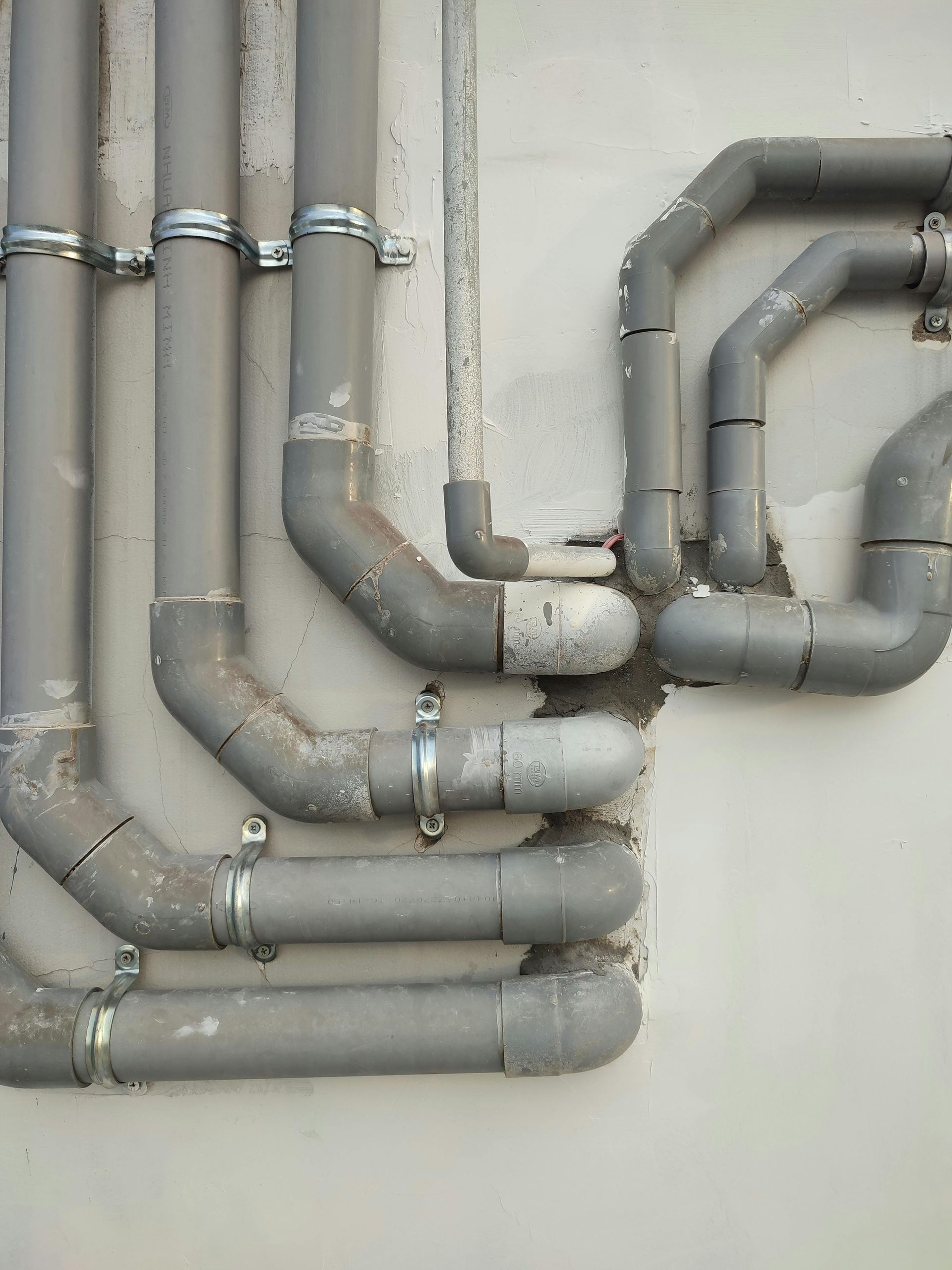
Plumbing repairs in Los Angeles cost more than in many other places because of strict codes and the city’s dense infrastructure. A service call for a minor repair can start around $125 and climb to over $1,500 for complex jobs. The average visit, including travel and the first hour of work, costs about $375–$450. Hourly rates depend on the plumber’s experience: apprentices earn about $65–$95 per hour, journeymen make $85–$130 per hour, and master plumbers charge $110–$225 per hour. Emergency repairs after regular business hours can cost 1.5–3 times the normal rate. For common projects, drain unclogging costs $125–$600, faucet replacement costs $175–$750, toilet installation costs $350–$950, and water heater replacement costs $1,000–$3,500. Permit fees add another $150–$500 and are required for significant plumbing work.
Tips for plumbing work
- Check the license: Plumbers must hold a C‑36 Plumbing license. Verify it with the state and ensure the contractor has liability insurance.
- Get clear estimates: Ask whether the price is a flat fee or an hourly rate. Always get a written estimate and compare at least three bids.
- Limit deposits and cash payments: Don’t pay more than 10 % or $1,000 up front. Never pay for work that hasn’t been completed, and avoid paying in cash.
Source:
https://www.cslb.ca.gov/resources/guidesandpublications/afteradisasterguide.pdf
Landscaping Market Analysis
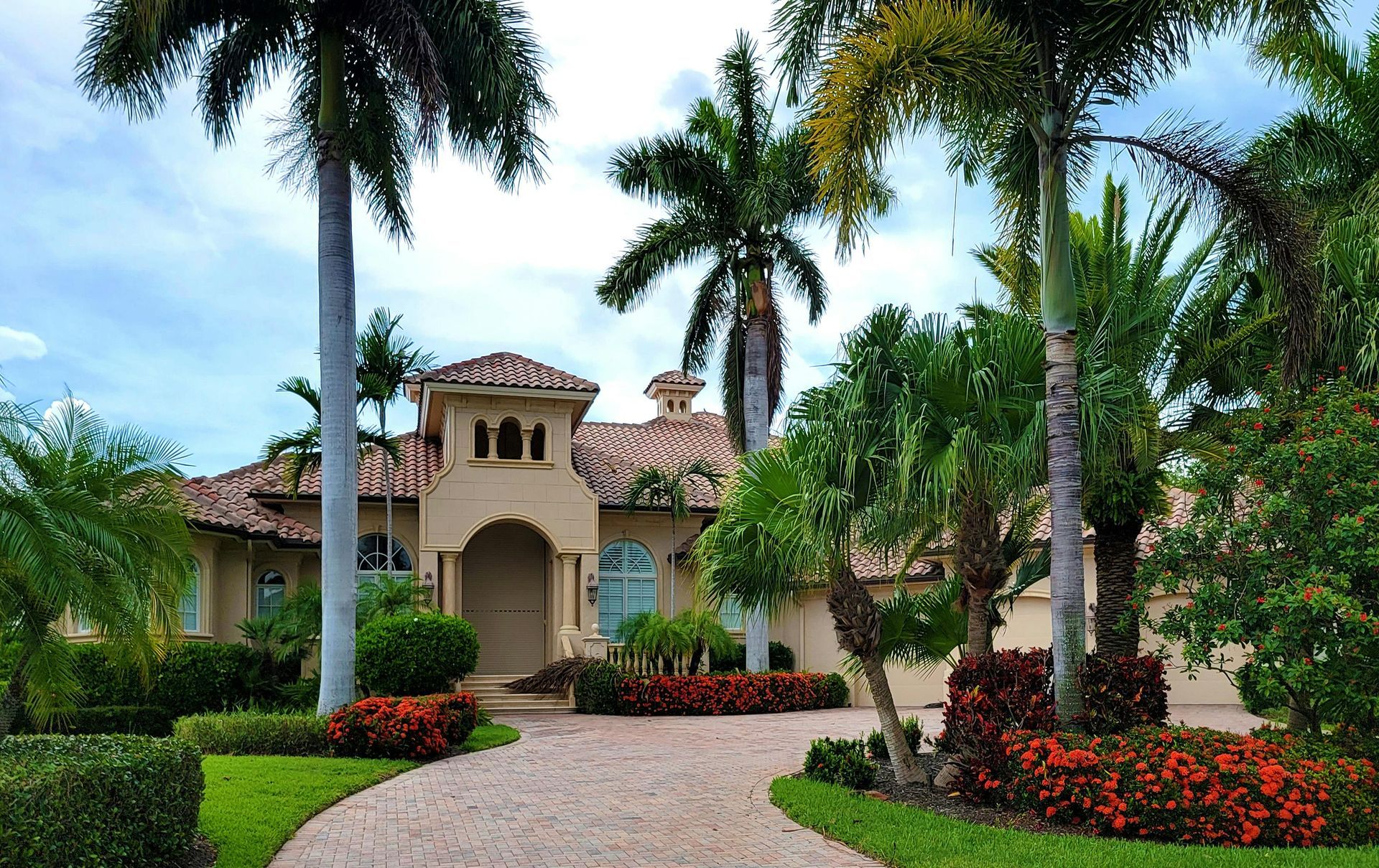
Landscaping tips
- Use rebates: Check LADWP’s turf‑replacement program and get approval before starting. Rebates can significantly cut project costs.
- Hire a licensed landscaper: Complex projects involving irrigation and masonry require a C‑27 Landscaping license. Ask for references and proof of insurance.
- Beware of door‑to‑door landscapers: Scammers often offer cash‑only deals and refuse to provide written contracts. Verify the contractor’s address and license before hiring.
Source: https://www.cslb.ca.gov/Resources/GuidesAndPublications/TravelerTips.pdf
Drought‑tolerant designs
Water shortages and rising utility bills have pushed many homeowners to convert lawns to drought‑tolerant landscapes. A traditional grassy yard costs about $3,900–$7,800 per year to maintain, with water bills of $1,200–$2,400 and mowing costs of $2,400–$4,800. Switching to drought‑tolerant plants lowers yearly costs to roughly $1,000–$2,100 because water use drops to $200–$500 and maintenance falls to $600–$1,200. Converting a front yard can cost $8,000–$20,000, depending on size, while a full property makeover may cost $25,000–$60,000. The Los Angeles Department of Water and Power offers rebates of $3 per square foot for front yards and $2 per square foot for back and side yards, which can reduce the net cost by thousands of dollars.
Source: https://www.whiteshovel.com/blog/inexpensive-drought-tolerant-landscaping
Material costs and return on investment
Landscaping costs depend on the materials chosen. Decomposed granite costs about $3–$6 per square foot; flagstone paths are $15–$25 per square foot; river rock runs $5–$15 per square foot; pea gravel is $2–$5 per square foot; and artificial turf accents cost $10–$18 per square foot. Although initial costs are high, many drought‑tolerant projects deliver a 50–70 % return on investment when the home is sold because buyers appreciate lower water bills and stylish outdoor spaces.
Source: https://www.whiteshovel.com/blog/inexpensive-drought-tolerant-landscaping
Restoration Market Analysis
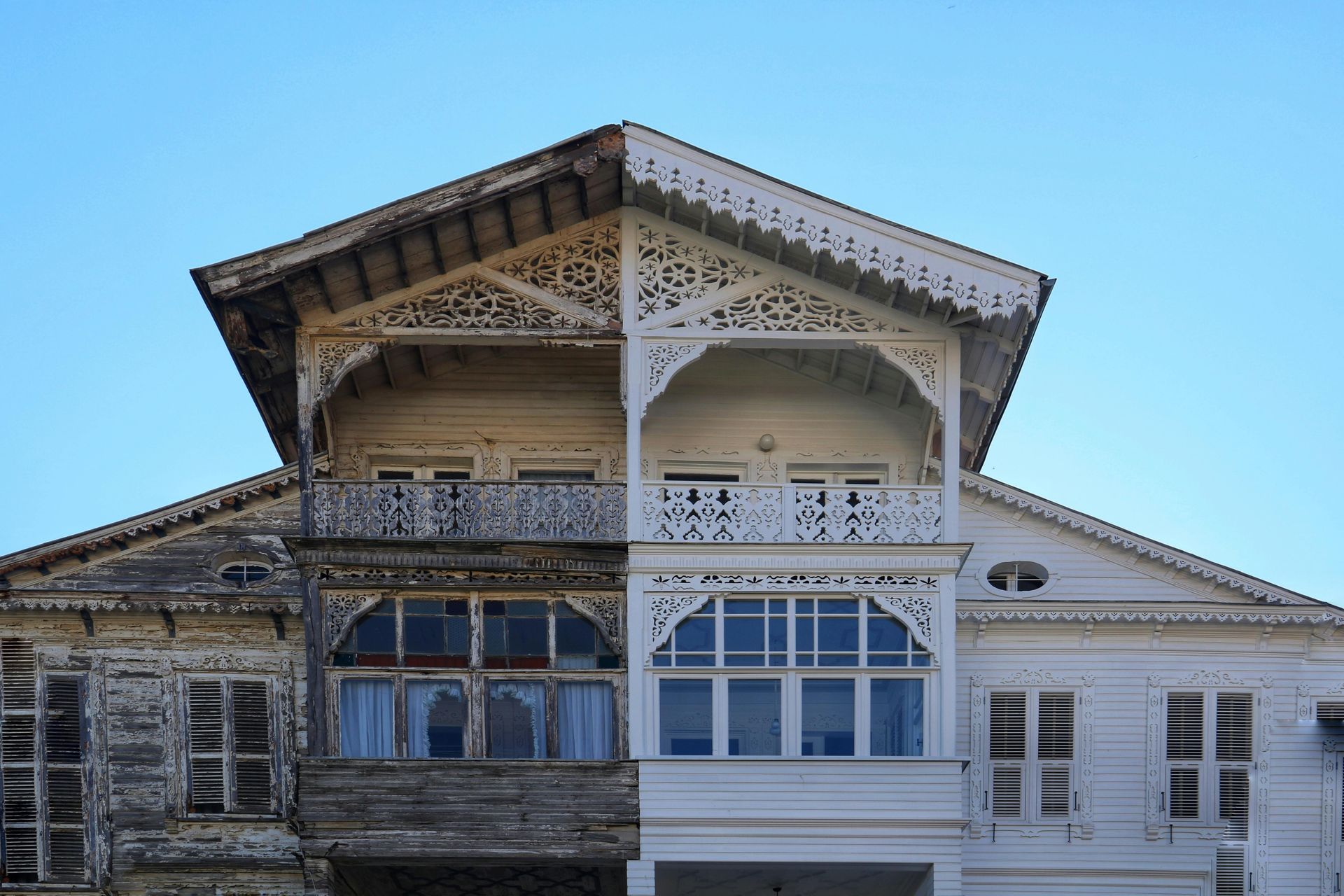
Disaster recovery tips
- Don’t rush into repairs: After fires or floods, unlicensed contractors often flood the area. The California Contractors State License Board (CSLB) advises homeowners to get at least three bids and avoid door‑to‑door offers.
- Limit down payments: By law, contractors cannot ask for more than 10% of the total job cost or $1,000 up front. Don’t pay cash and keep receipts for all payments.
- Check licenses and insurance: Always verify the contractor’s license number and insurance before signing. A written contract should spell out the scope of work, payment schedule, and materials.
Source:
https://www.cslb.ca.gov/resources/guidesandpublications/afteradisasterguide.pdf
Fire damage restoration
Restoring a home after a fire is complex and costly. In Los Angeles, the average fire damage restoration bill is about $20,000, though costs often vary from $2,900 to $36,825. Rates per square foot range from $4.25 to $6.75, and major structural repairs can exceed $50,000. Cleaning up smoke and soot alone can cost $3,000–$20,000. Electrical fires typically cost $12,000–$23,000 to remediate. Partial structural damage runs $10,000–$50,000, and a full house restoration can range from $25,000 up to $100,000 or more. Fire damage costs also depend on which rooms were affected: kitchen fires average $12,000–$20,000, garage fires $8,000–$15,000, and bedroom fires $5,000–$12,000.
Source: https://disasterresponders.com/fire-damage-restoration-los-angeles
Water damage restoration
Water damage must be addressed quickly to prevent mold and structural problems. In Los Angeles, the average cost of water damage restoration is around $3,280, but projects commonly range from $1,250 to $6,350. Small clean‑ups can cost as little as $600, while severe flooding can exceed $18,000. Restoration companies typically charge $3–$7.50 per square foot for services like water extraction, drying, and sanitation. Costs depend on the cause: burst pipes and leaks may cost $160–$4,000, storm damage $230–$3,085, sewage backups $425–$3,000, appliance leaks $175–$450, and HVAC leaks $350–$3,150. Labor rates in Los Angeles range from $70 to $200 per hour, and work in busy downtown areas or coastal cities like Santa Monica can be more expensive because of higher overhead.
Source:
https://disasterresponders.com/water-damage-restoration-los-angeles
Labor Trends and Scams
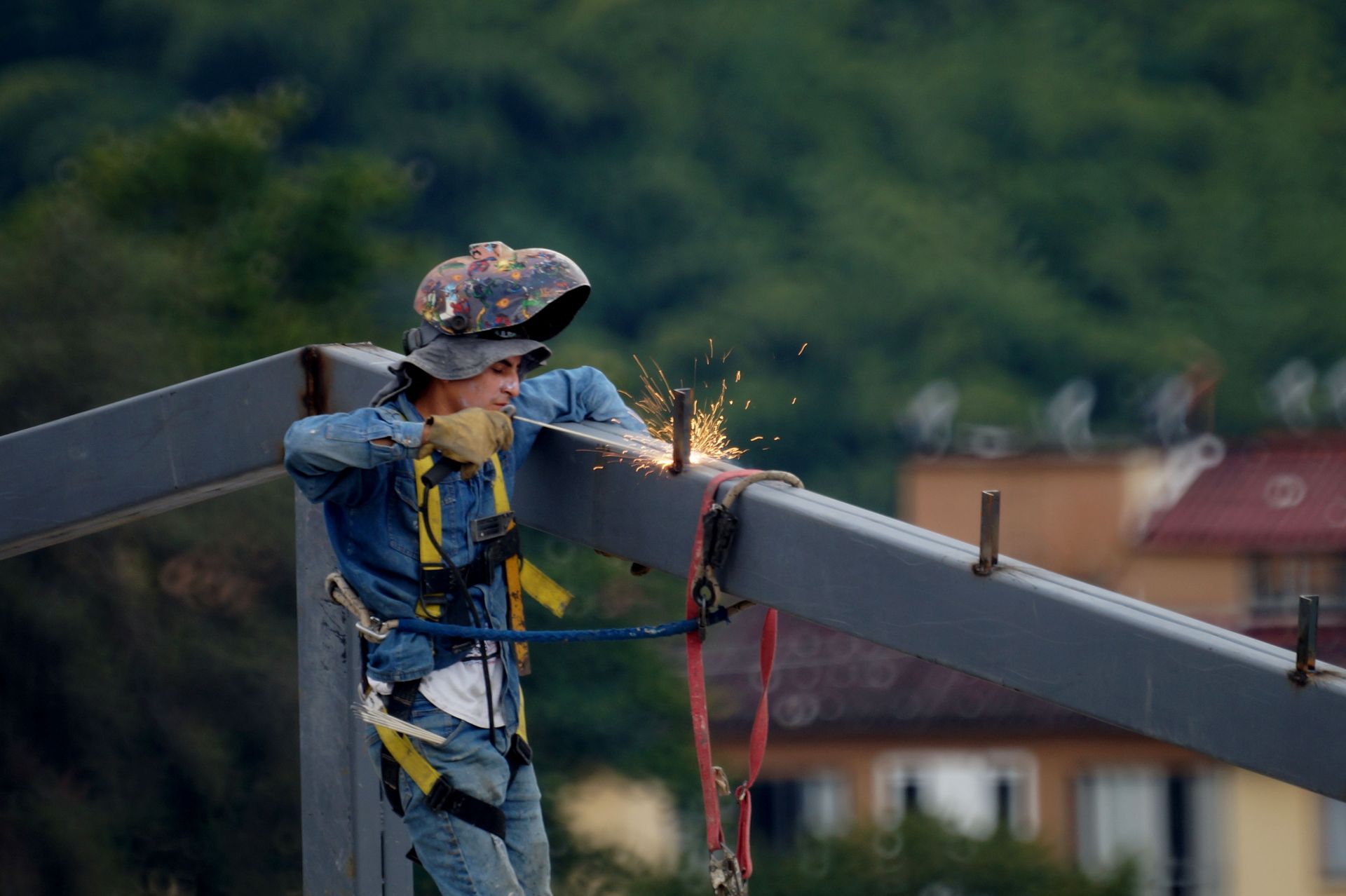
Labor Hourly Rate Trends for LA
General construction laborers in Los Angeles earn higher wages than the national average. Many local laborers make about $22–$35 per hour, while some union contracts pay more than $45 per hour with benefits. Because of the worker shortage, contractors often schedule jobs weeks or months in advance. HOAs and homeowners should plan projects early and be flexible with start dates. Investing in well‑trained labor also reduces the risk of poor workmanship and future repairs.
Source: https://www.bls.gov/oes/current/oes_31080.htm https://skillit.com/electrician-pay-across-major-u-s-markets
Scam Prevention
California’s Contractors State License Board and the Department of Consumer Affairs provide guides to help homeowners avoid fraud. Key points include:
- Always verify the contractor’s license and insurance. Unlicensed work is illegal for projects over $500.
- Limit down payments to 10% or $1,000, and never pay for uncompleted work. Make payments by check or credit card to ensure a record.
- Get at least three bids and a written contract that describes the materials, project timeline, payment schedule, and warranties.
- Beware of traveling contractors and door‑to‑door solicitations. These scammers often use high‑pressure tactics, demand cash, and avoid providing a written contract. Legitimate contractors will give you time to review a proposal.
- Don’t rush after a disaster. Take time to collect bids and verify credentials. Keep receipts and don’t make final payments until you are satisfied and the job has passed any required inspections.
Source:https://www.cslb.ca.gov/Resources/GuidesAndPublications/TravelerTips.pdf, https://www.cslb.ca.gov/resources/guidesandpublications/afteradisasterguide.pdf
Los Angeles HOA Advice
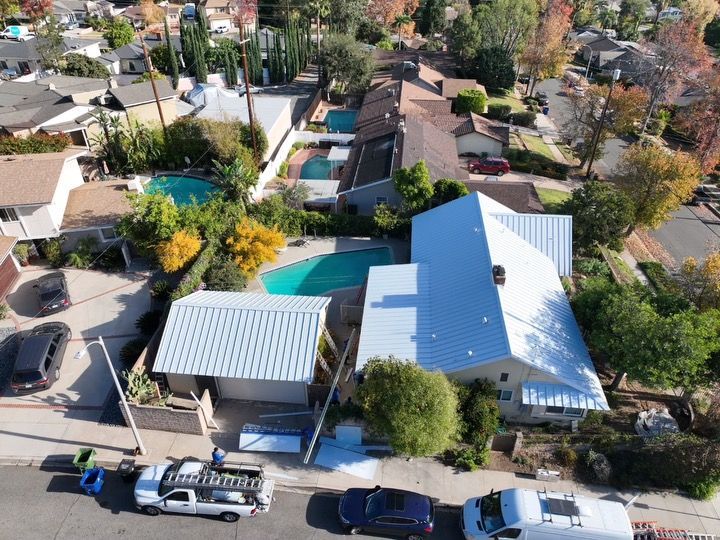
- Hire experienced construction managers or consultants to prepare clear scopes of work and oversee projects.
- Require performance and payment bonds on large jobs to protect against contractor default.
- Ensure contractors add the HOA as an additional insured on their liability policy and provide proof of workers’ compensation coverage.
- Coordinate with city inspectors and communicate project timelines, noise, and access restrictions to residents.
- Include dispute‑resolution clauses in contracts to handle warranty claims and workmanship issues.
Source: https://www.cslb.ca.gov/resources/guidesandpublications/afteradisasterguide.pdf
Conclusion Summary
Los Angeles remains a vibrant but expensive place to build and maintain homes. Costs are rising because materials and labor are expensive, and strict codes require more time and expertise. Roof replacements can exceed $30,000, metal roofs offer decades of service but require large up‑front investments, and gutters range from $1,500 to $6,500 depending on the material. Drought‑tolerant landscaping saves water but may cost $25,000 or more to install. Plumbing and electrical work demand licensed professionals and can be expensive, while restoration services after water or fire damage can reach tens of thousands of dollars. By planning carefully, hiring licensed and insured contractors, limiting deposits, and watching for scams, homeowners and HOAs can protect their property and budgets. Investing in quality work also supports the skilled tradespeople who keep Los Angeles’ homes safe and resilient.
Source:https://www.dgs.ca.gov/RESD/Resources/Page-Content/Real-Estate-Services-Division-Resources-List-Folder/DGS-California-Construction-Cost-Index-CCCI,https://nplinedesign.com/roofing-cost-los-angeles-2026 https://homeguide.com/costs/gutter-installation-cost
Get a FREE Metal Roofing Estimate
Contact Us